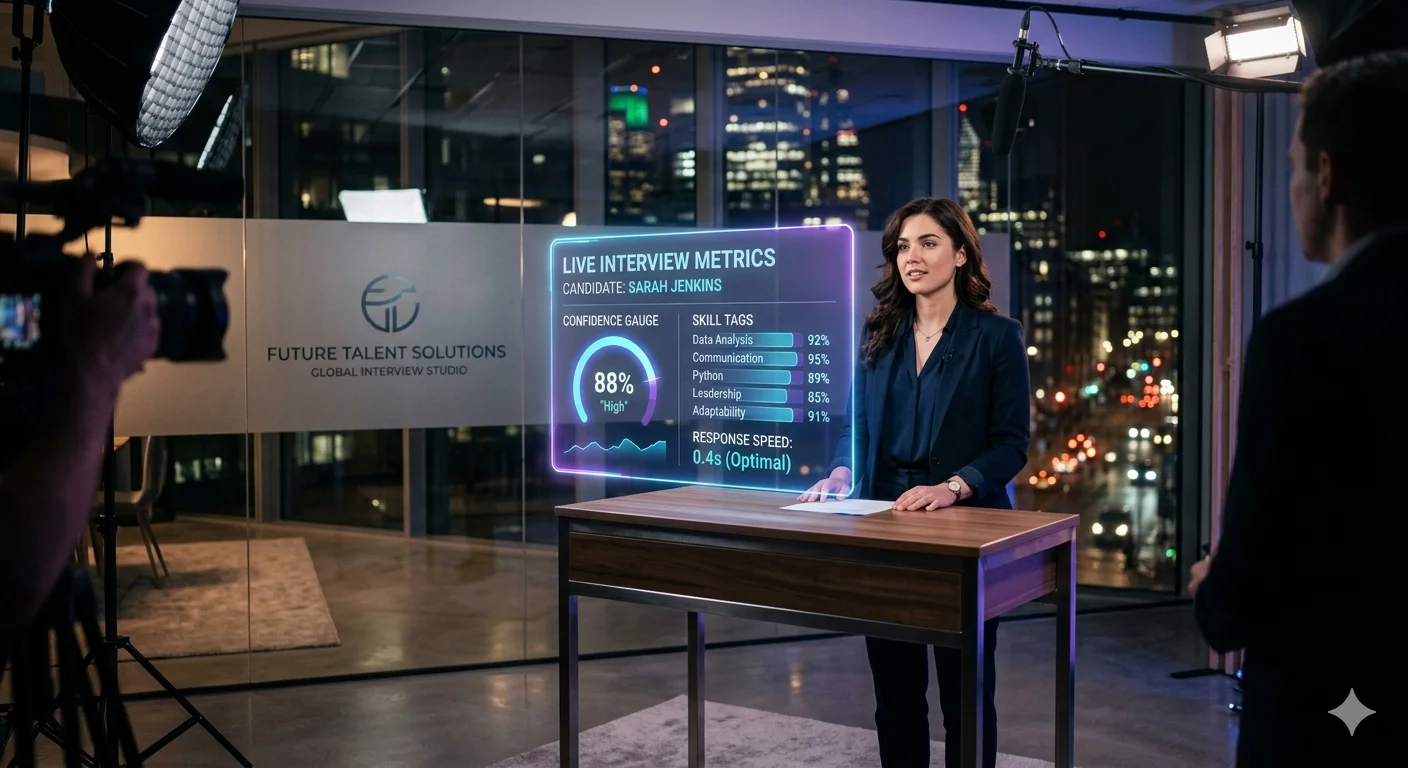
The Gap Between Knowledge and Employability
Educational programs focus heavily on theory, assignments, and exams. However, job interviews demand something different. Candidates must explain their thinking clearly, respond under pressure, and demonstrate confidence in real time.
Students often face interviews without ever having practiced in a realistic setting. This creates anxiety, hesitation, and missed opportunities even when they understand the subject matter well.
Preparing students for employment now requires more than academic success. It requires experiential readiness.
Why Traditional Preparation Methods Fall Short
Typical interview preparation includes reading guides, attending workshops, or practicing with peers. While helpful, these methods often lack structure and measurable feedback.
Common challenges include:
• Limited opportunities for repeated practice
• Lack of objective feedback on responses
• Difficulty simulating real interview pressure
• No clear way to track improvement over time
• Students unsure how to refine communication skills
What learners need is a safe environment where they can practice realistically and learn through iteration.
A Structured Approach to Interview Readiness
Simulation based interview practice allows students to engage in guided sessions that mirror real scenarios while still remaining part of the learning process.
1. Role Based Practice: Students prepare for interviews aligned with specific job roles rather than generic questions.
2. Guided Question Flow: Sessions follow structured formats such as behavioral or technical interviews to build familiarity.
3. Immediate Feedback: Learners receive insights on clarity, relevance, and structure of their responses.
4. Repeatable Learning: Students can practice multiple times, improving confidence through repetition.
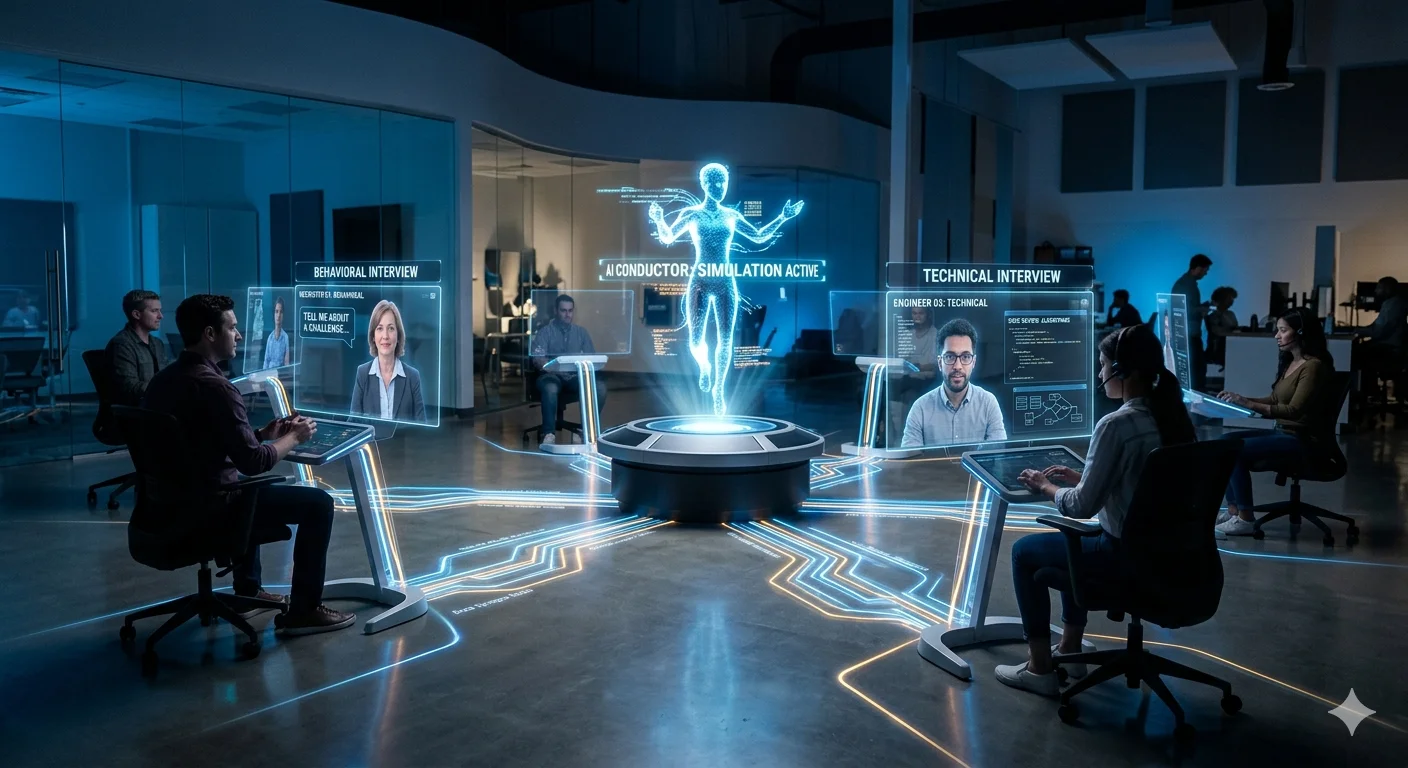
Mock Interview Interview Flow Visual
Feedback That Helps Students Improve, Not Just Perform
Practice alone is not enough. Students need meaningful feedback to understand where they are strong and where they need improvement.
Effective systems provide:
• Communication insights rather than just scores
• Suggestions for clearer explanation
• Guidance aligned with professional expectations
• Reflection opportunities after each session
This turns interviews into learning experiences rather than one time evaluations.
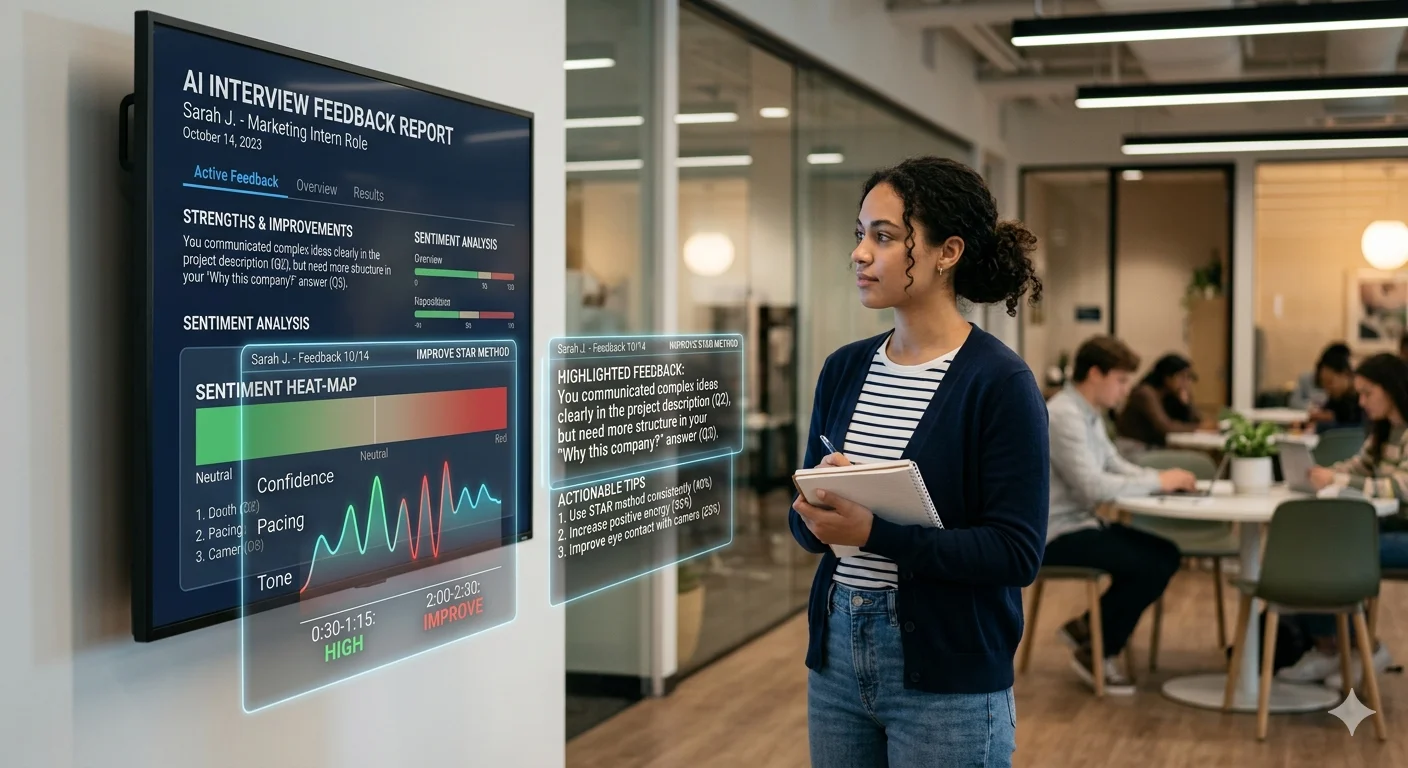
Mock Interview Feedback Insight Visual
Building Confidence Through Measurable Progress
One of the most powerful aspects of simulated interviews is the ability to track development. Students can see how their responses evolve, how confidence improves, and where consistency is achieved.
Progress tracking helps learners:
• Recognize improvement over time
• Identify recurring challenges
• Build confidence through visible growth
• Prepare more intentionally for real opportunities
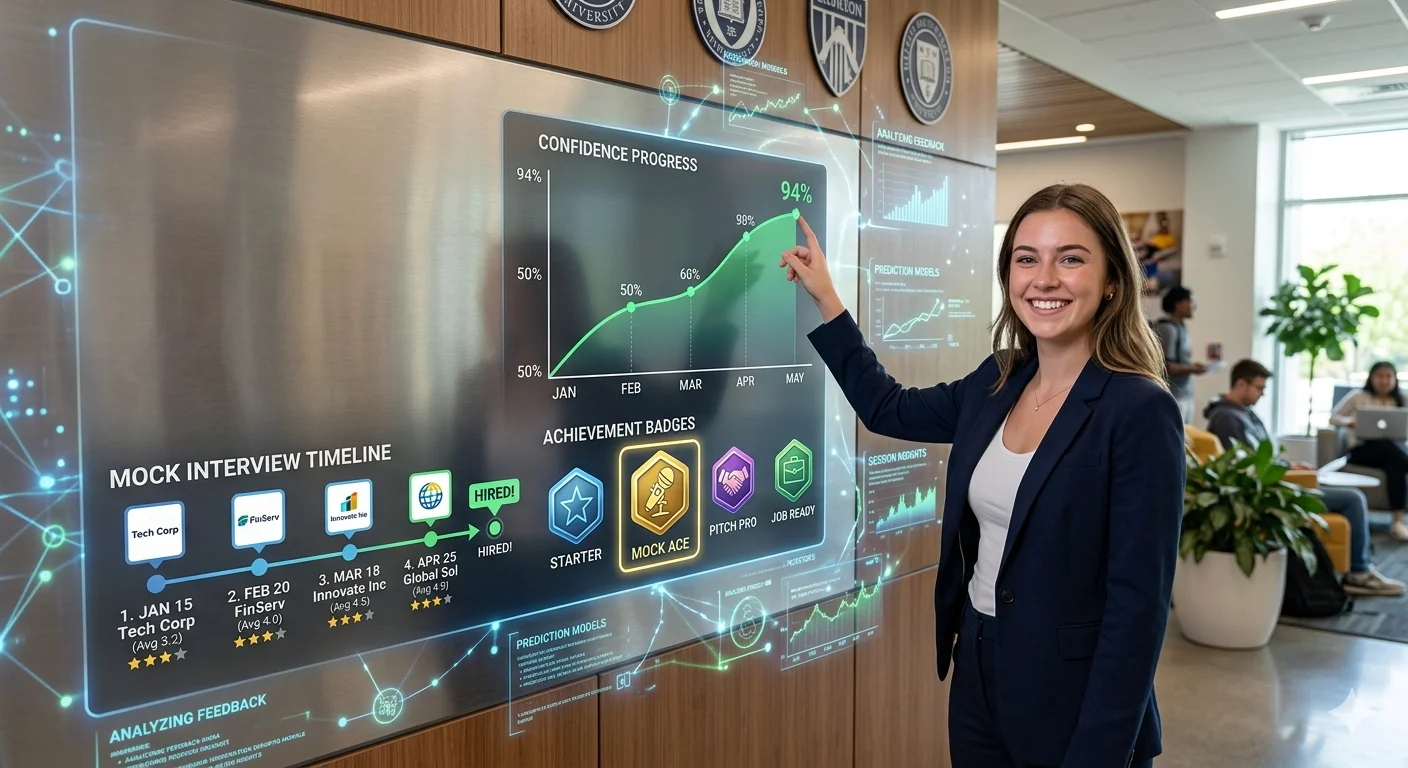
Mock Interview Progress Tracking Visual
Connecting Academic Learning to Career Success
Employers increasingly look for candidates who can articulate ideas, adapt quickly, and demonstrate problem solving abilities during interviews. These skills are rarely measured through written assessment alone.
By integrating interview practice into learning environments, institutions help students transition more smoothly from education to employment.
This ensures graduates are not only knowledgeable, but prepared.